
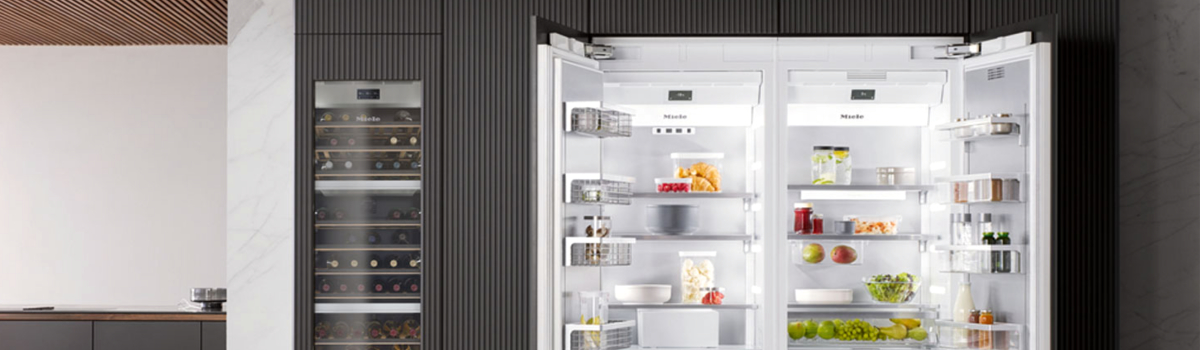
If you saw nA on your Miele refrigerator display, your first reaction was probably “what now?” Good news: nA is usually a simple, recoverable warning — not a catastrophic failure. This error tells you the freezer temperature rose during a recent power interruption. That can happen after a blackout, tripped breaker, or unplugging. This post explains the meaning of the code, what likely caused it, practical steps you can take right now, simple DIY checks and fixes, food-safety tips, and preventive measures to reduce the chance of seeing nA again. The language is straightforward and written for everyday users in the U.S.
What the nA code actually means
Miele uses the nA code to flag that the freezer experienced a temperature increase during a power outage. The refrigerator’s electronics recorded the event and want to make sure you know what happened — it’s a protective, informational alarm. After power returns, the fridge will often resume normal cooling by itself, but the display gives you details so you can decide whether anything in the freezer needs attention.
Quick, plain-English breakdown
- The freezer warmed up because power was lost for a while.
- Pressing Alarm Off will show the highest (warmest) temperature the freezer reached and then the current temperature.
- If settings were correct before the outage, the refrigerator should automatically resume cooling once power is stable.
- The worst-case concern is food spoilage if the freezer warmed above safe temperatures for a long time.
Immediate steps to take
- Press the Alarm Off key to silence the alarm and view the recorded warmest temperature.
- Note the current freezer temperature displayed afterwards.
- Check whether the refrigerator is cooling again and if the compressor and fans are running.
- Inspect the freezer contents for thawing or obvious spoilage before you touch anything else.
How to interpret what the display shows
When you press Alarm Off the display usually shows two things in sequence: first, the highest temperature the freezer reached during the outage, then the current temperature. The highest temperature tells you how warm the freezer got while it had no power. The current temperature tells you whether the unit has returned to normal cooling. These two numbers together help you decide if food safety measures are needed.
Food safety — what to check and what to toss
If the freezer temperature got above safe limits, some foods may be unsafe. Use these guidelines to help decide:
- Frozen foods that still contain ice crystals or are still partially frozen are generally safe to refreeze and cook.
- Foods that have fully thawed and warmed above 40°F (4°C) for more than a couple of hours may be unsafe and should be discarded.
- High-risk items (raw meat, seafood, dairy, ready-to-eat meals) are more vulnerable to bacteria after warming and deserve extra caution.
- If you’re not sure, it’s safer to discard questionable items rather than risk foodborne illness.
DIY troubleshooting — step-by-step checks
First, do the simple things that fix most nA situations:
- Confirm the power source: make sure the outlet has power and the breaker hasn’t tripped.
- Press Alarm Off to clear the alert and read the display info.
- Wait 30–60 minutes and watch whether the freezer temperature steadily drops back toward the setpoint.
- Listen for normal operation: compressor humming, evaporator fan running, and periodic cycling.
- Inspect door seals and make sure the doors are fully closed — a poorly sealed door slows recovery.
If cooling does not resume or the temperature is not falling, move on to the tests below.
A few targeted tests you can do safely
- Check the outlet: plug a lamp or small appliance into the same outlet to confirm it’s live.
- Inspect the back of the refrigerator: look for a tripped breaker switch on the unit (if present), and make sure the power cord is fully seated.
- Check vents inside the freezer for heavy frost buildup or items blocking airflow; clear them gently.
- Clean the condenser area (behind or under the fridge) if it’s dusty — dirty coils reduce cooling efficiency. Cleaning can be a big help but turn power off before working near electrical components.
When to call a technician
If you’ve confirmed power, cleared the alarm, and the fridge still won’t cool after an hour, or if you see other error codes, it’s time to contact a qualified service tech. Also call a pro if:
- The compressor doesn’t run but the unit has power.
- You hear unusual noises (loud clicking, grinding, or continuous humming with no temperature change).
- There is visible frost/ice blocking airflow inside the freezer that won’t clear, or the defrost system appears to be failing.
A technician can test compressors, fans, defrost heaters, and sensors safely and accurately.
Preventive measures to avoid nA in the future
- Install a surge protector or dedicated circuit for large appliances to reduce the chance of electrical events.
- Consider a basic UPS (battery backup) for the refrigerator only if your area has very frequent, short outages — note that full-size refrigerators draw a lot of power and most consumer UPS units won’t support long runtimes.
- Keep door gaskets clean and replace worn seals so cold air stays in.
- Don’t overfill the freezer; proper airflow speeds recovery after power returns.
- Regularly vacuum the condenser coils and clear dust from vents to maintain efficient cooling.
Tips for minimizing food loss during power outages
- Keep a thermometer in the freezer so you have a baseline reading immediately after power returns.
- If an outage is expected (severe weather), keep the freezer door closed as much as possible — a full freezer stays cold far longer than a partially filled one.
- Freeze gallon jugs of water to add thermal mass to the freezer if you anticipate outages; thermal mass helps keep temperatures stable.
Short FAQ
Q: Will pressing Alarm Off fix the problem?
A: Pressing Alarm Off only silences the alert and shows temperatures. It doesn’t fix cooling; the fridge should automatically resume cooling if everything else is OK.
Q: Can I reset the fridge by unplugging it?
A: Power-cycling can clear some transient errors, but if the compressor or fans don’t restart after power is restored, don’t keep power-cycling — investigate or call a tech.
Q: Is my food safe to eat?
A: If the freezer remained partially frozen with ice crystals, most food is safe. If items fully thawed and warmed above 40°F (4°C) for more than a couple hours, discard them.